Treatments
When Cataracts Won't Wait: Understanding Fast-Growing Cataracts
Dr. Sitora Karimova
2026-04-10
6 min read
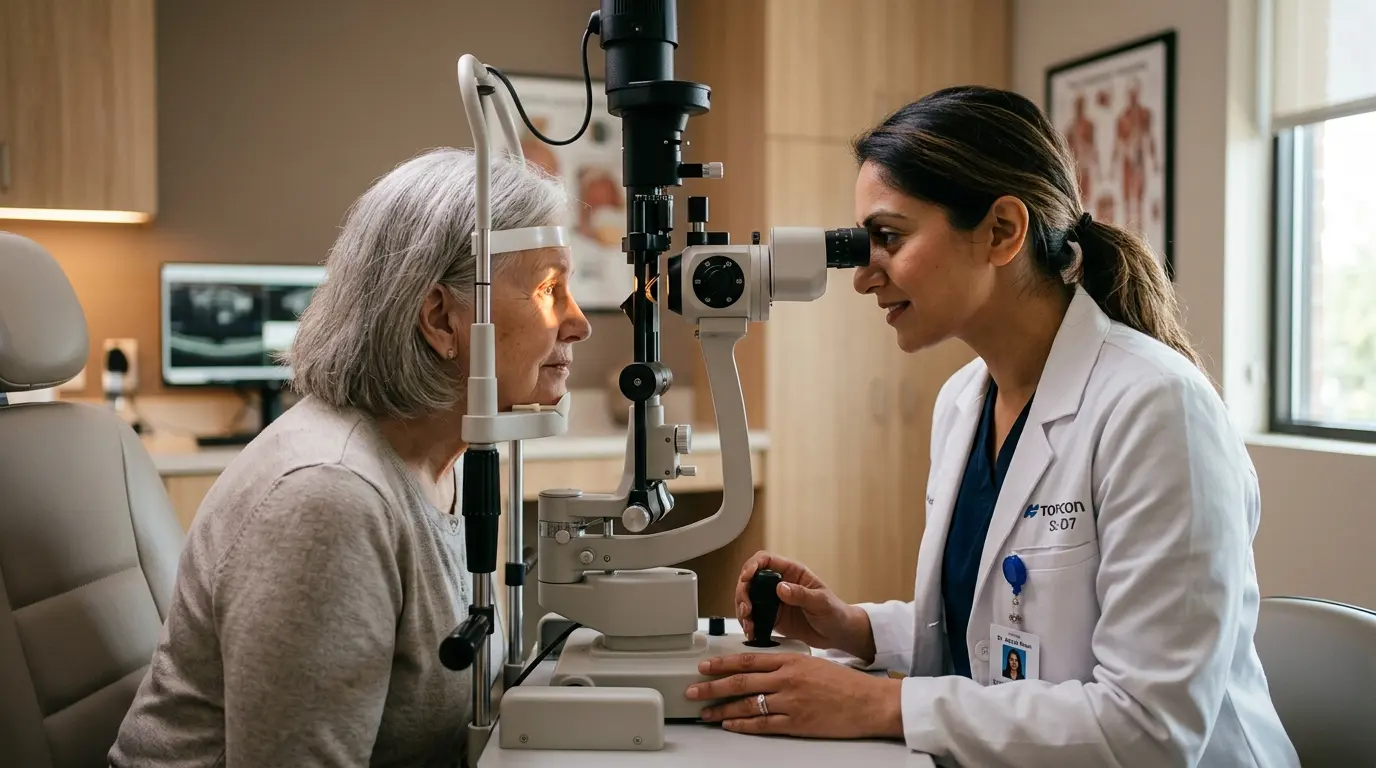
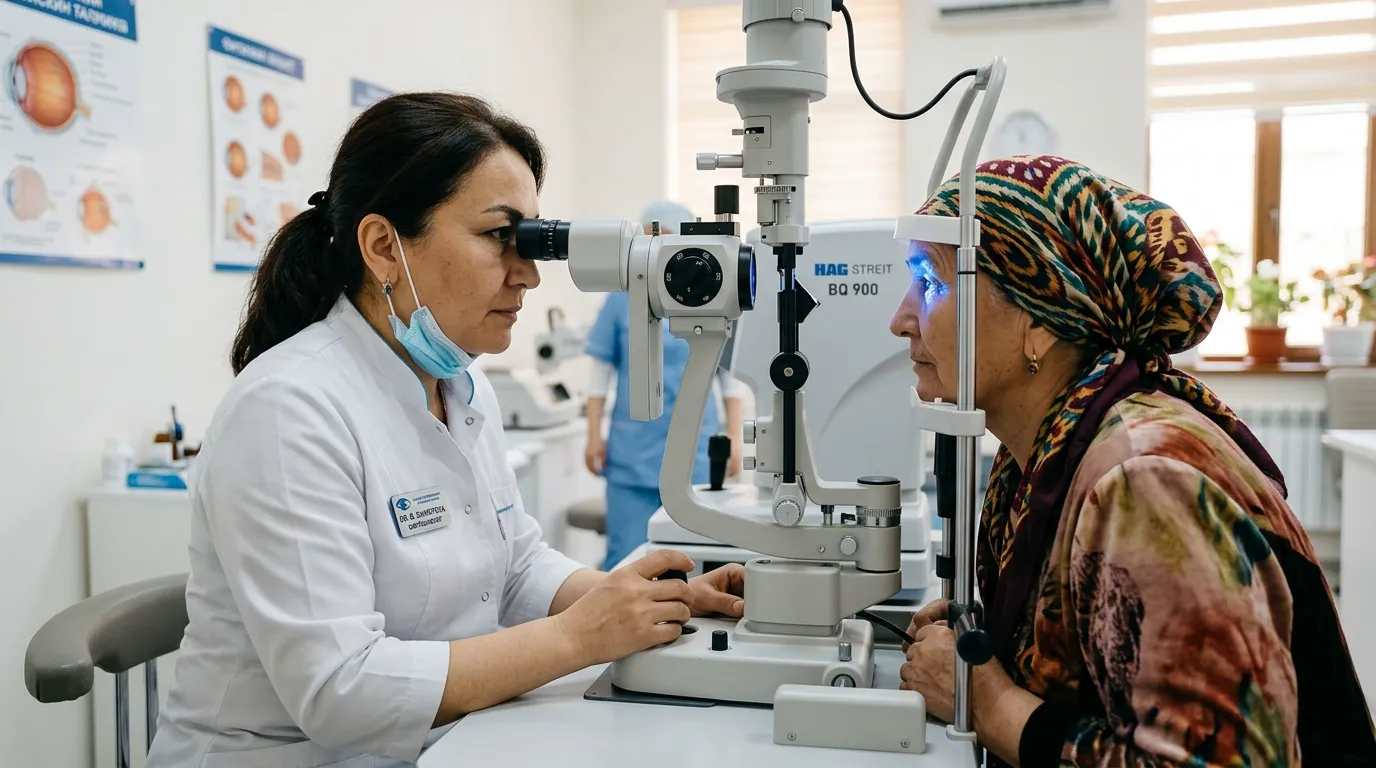
Most people think of cataracts as something that slowly creeps up over many years — a gradual cloudiness that eventually makes it harder to read or drive at night. And for most patients, that's exactly how it goes. But for some, cataracts develop much faster, disrupting daily life in months rather than decades. These are fast-growing cataracts, and understanding why they happen — and what can be done — is one of the most important conversations you can have with your eye doctor.
## What Makes a Cataract “Fast-Growing”?
A cataract is a clouding of the natural lens inside the eye. Normally, this process unfolds slowly as proteins in the lens break down over time. Fast-growing cataracts follow a different path — driven by specific causes that accelerate the clouding process well beyond the natural pace of aging.
The most common fast-growing type is called a **posterior subcapsular cataract**. Unlike typical age-related cataracts that form in the center or outer layers of the lens, this type develops in the backmost layer, just beneath the lens capsule. It tends to appear in younger patients and can worsen noticeably over a period of months.
## What Causes Them?
### Diabetes
Diabetes is one of the most significant drivers of accelerated cataract formation. When blood sugar stays elevated for long periods, enzymes in the lens convert the excess glucose into a substance called sorbitol. Sorbitol builds up in the lens tissue, drawing in water and causing cloudiness. Eye doctors sometimes refer to this as "diabetic snowflakes" — a distinctive pattern of clouding seen in diabetic patients. Managing blood sugar well is not just good for your overall health; it is directly protective of your vision.
### Eye Injury or Trauma
Trauma-related cataracts are the fastest-growing variety. A blunt impact — from a sports accident, a fall, or any penetrating injury to the eye — can cause the lens to cloud within days or weeks. The eye's response to physical damage can rapidly alter the lens proteins in ways that take years to happen naturally.
### Radiation Exposure
High levels of radiation can cloud the lens in as little as two years. Lower-level exposures, such as certain medical treatments or prolonged occupational exposure, typically cause changes over a decade or more. If you or a family member has undergone radiation therapy near the head or eyes, regular eye examinations become especially important.
### Congenital Cataracts
Some children are born with cataracts, or develop them very early in life. Their progression depends heavily on the underlying genetic cause and varies from child to child. Early detection in pediatric patients is critical — untreated cataracts in young children can interfere with normal visual development.
## Factors That Speed Things Up
Even in patients whose cataracts would otherwise progress slowly, certain habits and medications can accelerate the process:
- **Smoking** is well established as a cataract risk factor. The toxins in cigarette smoke damage lens proteins and reduce the eye's natural antioxidant defenses.
- **Corticosteroids** — whether taken as oral tablets, inhalers, or even eye drops over long periods — are known to promote cataract formation and speed up existing ones. If you use steroid medications regularly, discuss this with both your prescribing doctor and your eye specialist.
## What This Means for Patients in Dushanbe
In our practice, we frequently see patients who have been living with diabetes for years without realizing the impact it can have on their eyes. We also see patients who experienced an eye injury in the past and are only now noticing changes in their vision. The important thing to understand is that a cataract developing quickly is not something to wait out — the earlier it is addressed, the more options are available, and the better the outcome tends to be.
Lifestyle factors like smoking and uncontrolled blood sugar are directly within your control, and making changes in these areas can genuinely slow the progression of cataracts.
## Treatment: Surgery Is Safe and Effective
The good news is that cataracts — whether fast-growing or slow — are among the most treatable conditions in all of medicine. The lens can be removed and replaced with a clear artificial implant called an intraocular lens (IOL), restoring vision that may have been declining for months or years.
Several surgical approaches are available:
- **Laser cataract surgery (blade-free):** A highly precise, computerized procedure using laser energy to break up the clouded lens. It offers excellent accuracy and a smooth recovery for most patients.
- **Traditional cataract surgery:** A proven, time-tested technique using ultrasound energy (phacoemulsification) to remove the clouded lens. It is safe and effective for the vast majority of patients.
- **iStent combined surgery:** For patients who have both cataracts and glaucoma, a tiny stent can be implanted at the same time as the cataract surgery to improve fluid drainage and reduce eye pressure.
The right choice depends on your age, overall health, the stage and type of your cataract, and any other eye conditions you may have. These decisions are always made together with your doctor after a thorough examination.
## Can Fast-Growing Cataracts Be Prevented?
Complete prevention isn't always possible — especially when cataracts are related to genetics, prior illness, or trauma. But there is a great deal you can do to slow progression and protect your vision:
- **Have regular eye examinations**, even if your vision feels fine. Many changes are detectable long before symptoms appear.
- **Control your blood sugar** if you have diabetes, and keep up with regular appointments with your endocrinologist.
- **Avoid smoking**, or seek help to quit if you currently smoke.
- **Wear protective eyewear** during sports, construction work, or any activity that puts your eyes at risk.
- **Discuss steroid medications** with your doctor if you rely on them long-term — there may be alternatives, or your eye health may need closer monitoring.
The most powerful step any patient can take is an honest conversation with their eye doctor about their personal risk factors.
*If you've noticed your vision changing more quickly than expected, or if you have diabetes, a history of eye injury, or other risk factors — don't wait. Schedule a consultation with Dr. Karimova's practice today. Call [+992 108 11 80 80](tel:+992108118080).*
Source: Eye Center of Texas (2026-04-01)
#cataracts
#surgery
#diabetes
#prevention
#eye health
#vision loss
Back to Blog
Share: