Pediatric
Eye Allergies in Children: What Parents Need to Know
Dr. Sitora Karimova
2026-06-01
5 min read
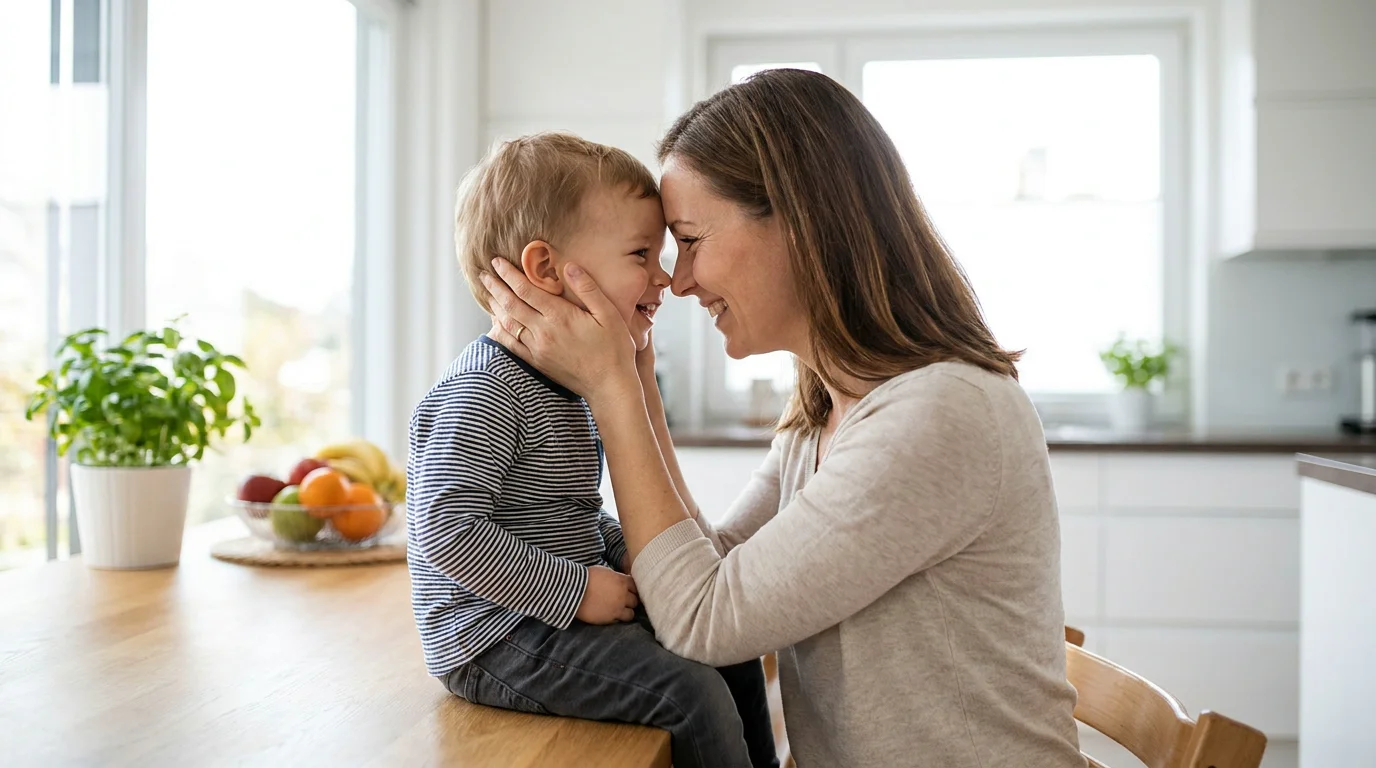
Few things upset a parent more than watching a child rub their eyes repeatedly, struggling through the day with red, swollen, watering eyes. In many cases, the culprit isn't an infection — it's an allergy.
Eye allergies (allergic conjunctivitis) are among the most common eye conditions in children, yet they're frequently misdiagnosed, under-treated, or confused with pink eye. Understanding the difference, and knowing when to act, can save your child a great deal of unnecessary discomfort.
## What's Actually Happening in the Eye
When an allergic child's eyes encounter a trigger — pollen, dust mites, pet dander, or smoke — the immune system overreacts, releasing histamine into the conjunctiva (the thin clear membrane covering the white of the eye). This triggers the familiar cascade: intense itching, redness, tearing, and swelling.
Children are especially vulnerable for a few reasons. Their eyes are still developing, they spend more time on the floor and outdoors where allergens concentrate, and — critically — they rub their eyes far more than adults. That rubbing releases more histamine, which makes the itching worse, which leads to more rubbing. Breaking this cycle early is important.
## How to Tell an Allergy from an Infection
This is the question parents most often get wrong, and it matters — because the treatments are completely different.
**The single strongest clue is itching.** Allergic conjunctivitis is intensely itchy. Children will describe their eyes as "tickling" or rub them almost constantly. Bacterial or viral infections are primarily painful or uncomfortable, not itchy.
Other differences worth knowing:
- **Discharge:** Allergies produce clear, watery discharge or thin stringy mucus. Infections typically cause thick yellow or green sticky discharge.
- **Both eyes at once:** Allergies usually affect both eyes simultaneously. Infections often start in one eye and spread.
- **Fever:** Allergies never cause fever. Infections sometimes do.
- **Nose and sneezing:** Allergies often come with a runny nose or sneezing. Infections usually don't.
When in doubt, a brief examination is always the right call — getting it wrong means your child either receives antibiotics they don't need, or misses treatment that would actually help.
## Common Triggers to Know
**Seasonal (spring and summer):** Tree, grass, and flower pollen. In Dushanbe, spring is often the worst period, with pollen rising sharply in April and May.
**Year-round indoor:** Dust mites are the most common indoor trigger. They live in mattresses, bedding, soft toys, and carpets. Pet dander and mold follow closely.
**Environmental:** Air pollution, vehicle exhaust, chalk dust at school, and incense smoke can all trigger or worsen symptoms.
**Contact-based:** Chlorine in swimming pools, certain soaps, and unwashed hands touching the face.
## The Symptoms to Watch For
- Constant eye rubbing — often the very first sign in young children
- Intense itching (the most characteristic feature)
- Redness in both eyes
- Clear, watery discharge or stringy mucus
- Puffy or swollen eyelids
- Squinting or sensitivity to light
- Dark circles under the eyes ("allergic shiners") — common but less well known
- Sneezing or runny nose alongside the eye symptoms
## VKC: The More Serious Form
In hot, dusty climates — and Tajikistan qualifies — a more severe form called Vernal Keratoconjunctivitis (VKC) affects some children, predominantly boys aged 5 to 15. VKC causes extreme itching, intense light sensitivity, thick ropy discharge, and characteristic cobblestone-like bumps under the upper eyelid visible on examination.
VKC is not something to manage at home. Without proper ophthalmological treatment, it can cause corneal scarring and permanent vision damage. If your child's symptoms are severe, seasonal, and recurring — especially with significant light sensitivity — an eye examination is essential.
## What Helps (and What to Avoid)
**Safe and effective for children:**
- **Cold compress** on closed eyes — immediate relief with no medication
- **Preservative-free artificial tears** — flush out allergens and soothe the surface
- **Antihistamine eye drops** — fast relief during flare-ups (use age-appropriate formulations)
- **Mast-cell stabilizer drops** — used preventively before allergy season peaks, reducing severity before symptoms arrive
- **Preventing eye rubbing** — easier said than done, but it genuinely matters
**What to avoid:**
- **Steroid drops without supervision.** Sometimes appropriate for severe VKC, but only under an ophthalmologist's care. Unsupervised long-term steroid drops in children can cause glaucoma and cataracts.
- **Decongestant redness-relieving drops** for ongoing use — they mask the symptom without treating the cause and can cause rebound redness.
- **Old prescriptions or a sibling's medication** — eye drops are not interchangeable.
- **Home remedies** such as kajal or other substances applied near the eyes.
## Practical Steps for Allergy Season
- Wash your child's face after outdoor play to remove pollen
- Change pillowcases frequently and wash bedding in hot water weekly
- Use dust-mite-proof covers on mattresses and pillows
- Run an air purifier on high-pollution days
- Have your child wear wraparound sunglasses or a cap outdoors during peak season
- Encourage hand washing before touching the face
- If symptoms are seasonal and predictable, speak to an ophthalmologist about starting preventive drops *before* the season peaks rather than waiting for symptoms to appear
## What This Means for Families in Dushanbe
Spring in Tajikistan brings significant pollen exposure, and many children experience their first allergic eye symptoms between April and June. Dry air, dust, and pollution through the summer months can extend the season for some children well beyond spring.
The most common mistake I see is parents treating allergic eyes with antibiotics — either prescribed elsewhere or purchased from a pharmacy without examination. It's an understandable instinct, but antibiotics do nothing for allergy, and the delay costs your child weeks of unnecessary discomfort. If your child's eyes are intensely itchy, both eyes are involved, there is no fever, and the discharge is clear rather than thick and coloured — allergy is the much more likely diagnosis.
*Concerned about your child's eye symptoms? Book a consultation with Dr. Karimova today. Call [+992 108 11 80 80](tel:+992108118080).*
Source: EyeQ India (2026-05-26)
#allergies
#children
#pediatric
#conjunctivitis
#prevention
#seasonal
Back to Blog
Share: